Decoration & Design
Transforming a house into a home goes far beyond selecting attractive furniture or following the latest trends. Interior decoration and design represent a thoughtful blend of aesthetics, functionality, and personal well-being that can dramatically improve your daily quality of life. For Toronto residents navigating the unique challenges of urban living—from compact condo layouts to long winters with limited natural light—understanding the fundamental principles of thoughtful design becomes essential rather than optional.
Whether you’re furnishing your first studio in the Entertainment District or reimagining a family home in the Beaches, the decisions you make about space planning, lighting, materials, and sensory elements create the foundation for how you’ll experience your living environment. This comprehensive exploration examines the core pillars of effective interior design, offering practical insights that empower you to make informed choices aligned with both your lifestyle needs and aesthetic preferences.
Why Small Space Design Matters in Urban Living
Toronto’s real estate landscape is dominated by condominiums and compact urban dwellings, where the average one-bedroom unit hovers around 500-700 square feet. These spatial constraints demand a strategic approach to design that maximizes every inch without sacrificing style or comfort.
Think of small space design like a carefully choreographed dance—each element must know its role and move in harmony with the others. The key lies in understanding circulation flow, the invisible pathways you travel throughout your home daily. When furniture placement obstructs these natural routes, even a spacious room can feel cramped and frustrating. Creating clear pathways of at least 30 inches allows movement to feel effortless rather than like navigating an obstacle course.
Visual clutter presents another challenge in compact environments. The accumulation of floor-level items—shoes by the door, magazine stacks, scattered accessories—creates what designers call “visual noise” that makes spaces feel smaller than their actual dimensions. The solution involves three strategic approaches:
- Vertical thinking: Wall-mounted shelving, tall bookcases, and ceiling-height storage redirect the eye upward while freeing valuable floor space
- Hidden storage: Ottoman compartments, bed platforms with drawers, and hollow coffee tables conceal necessities without broadcasting their presence
- Editing discipline: Curating belongings to display only meaningful items while storing seasonal or rarely-used objects elsewhere
Mirrors serve as powerful allies in small Toronto condos, particularly those facing north with limited direct sunlight. A strategically placed mirror opposite a window doesn’t just reflect light—it creates the optical illusion of depth, essentially doubling the perceived space. This technique proves especially valuable during Canadian winters when maximizing available natural light becomes crucial for maintaining energy and mood.
Smart Storage Through Versatile Furniture
The furniture you choose for compact urban living should earn its place through versatility and multi-functionality. Unlike traditional pieces designed for single purposes, modular and convertible furniture adapts to your changing needs throughout the day and across life stages.
Consider the transformative potential of an extensible dining table. In its compact form, it serves two for weeknight dinners, but extends to accommodate eight when hosting friends for Saturday brunch—a common Toronto social ritual. This flexibility eliminates the need to permanently dedicate space to a large table that sits empty most days.
When evaluating convertible furniture, examining mechanism durability proves critical. A sofa bed or fold-down desk used daily must withstand significantly more wear than occasional-use pieces. Quality indicators include:
- Metal rather than plastic hinges and support structures
- Smooth operation requiring minimal force to transform
- Stable locking positions without wobbling or sagging
- Manufacturer warranty covering mechanical components for at least two years
The investment in higher-quality mechanisms pays dividends over time, as frequent repairs or replacements of cheap alternatives ultimately cost more in both money and frustration. Toronto’s vertical living also introduces practical considerations—narrow elevator dimensions and tight stairwell turns in older buildings make delivery of large, traditional furniture challenging. Modular pieces that disassemble into manageable components navigate these constraints far more successfully than rigid, oversized items.
The Transformative Power of Lighting Design
Lighting represents perhaps the most underestimated element of interior design, yet it profoundly influences both functionality and emotional atmosphere. The transformation between harsh overhead lighting and layered, thoughtful illumination resembles the difference between a sterile office and a welcoming sanctuary.
Understanding color temperature provides the foundation for effective lighting design. Measured in Kelvin, this spectrum ranges from warm amber tones (2700K-3000K) that create cozy, intimate environments, to cool blue-white light (5000K+) that promotes alertness and concentration. For Toronto homes enduring months of gray winter skies, balancing these temperatures strategically throughout your space helps compensate for seasonal light deficiencies.
Layering Light for Function and Ambiance
Professional designers rely on three distinct lighting layers working in concert. Ambient lighting provides overall illumination—ceiling fixtures, pot lights, or track lighting that ensures basic visibility. Task lighting directs focused brightness where you need it for specific activities: reading lamps beside your favorite chair, under-cabinet strips illuminating kitchen counters, or desk lamps for detailed work.
The third layer, accent lighting, adds drama and visual interest by highlighting architectural features, artwork, or plants. This might include picture lights, LED strips behind floating shelves, or uplighting that washes textured walls with subtle shadow play.
Avoiding Common Lighting Pitfalls
Shadow management often separates amateur from professional results. Harsh shadows cast behind you while cooking or reading create eye strain and frustration. The solution involves positioning light sources to illuminate from multiple angles rather than relying on a single overhead fixture. In kitchens, this means combining pot lights with under-cabinet task lighting; in living rooms, table lamps, floor lamps, and wall sconces create balanced coverage without dark corners.
Dimmer switches introduce remarkable flexibility, allowing the same fixture to provide bright illumination for cleaning or meal preparation, then transition to soft ambient glow for evening relaxation. Modern dimmers accommodate LED bulbs—which dominate the Canadian market due to energy efficiency standards—though compatibility should be verified before installation to avoid buzzing or flickering issues.
Smart Home Integration
Home automation technology has evolved from luxury novelty to practical tool for Toronto homeowners. Smart lighting systems controlled via smartphone apps or voice commands offer convenience that proves particularly valuable during Canadian winters when you might appreciate lights warming your home before arrival, or automated schedules that simulate occupancy during vacation travel.
Creating Visual Harmony and Psychological Comfort
The visual composition of your space directly impacts your psychological state, though these effects often operate below conscious awareness. A room that “just feels right” typically demonstrates intentional balance between competing design principles.
Visual weight distribution resembles balancing a scale—a large, dark piece of furniture on one side of a room needs counterbalancing through similar visual mass elsewhere, whether another substantial piece, a grouping of smaller items, or a bold color accent. When this equilibrium fails, spaces feel lopsided and uncomfortable despite otherwise attractive components.
Common design mistakes that undermine visual harmony include:
- Pushing all furniture against walls, creating a bowling alley effect rather than intimate conversation zones
- Selecting pieces at identical heights, producing monotonous horizontal lines instead of varied visual rhythm
- Overwhelming small spaces with large-scale patterns that dominate rather than enhance
- Neglecting negative space—the “breathing room” that allows individual elements to register clearly
Color psychology plays a subtle but significant role in how environments affect mood and energy. Cool blues and greens generally promote calmness and focus, making them popular choices for bedrooms and home offices. Warm oranges, reds, and yellows stimulate energy and conversation, explaining their prevalence in dining areas and living rooms. Toronto’s multicultural population brings diverse cultural associations with specific colors, so personal and cultural context should inform these choices rather than rigid adherence to Western color theory.
Textiles and Sensory Design Elements
Interior design engages all five senses, though visual elements typically receive disproportionate attention. The textiles you select—upholstery fabrics, window treatments, area rugs, throw pillows—contribute substantially to both aesthetic appeal and physical comfort while offering functional benefits often overlooked.
Acoustic management becomes crucial in Toronto’s high-density living environments where thin condo walls and hard surface finishes amplify noise. Soft, textured materials absorb sound waves that would otherwise bounce off bare walls, windows, and hardwood floors. Heavy curtains, upholstered furniture, wool rugs, and fabric wall hangings collectively reduce echo and dampen sound transmission, creating more peaceful interiors despite external urban noise.
Textile selection also responds to climate considerations. Toronto’s temperature extremes—from summer humidity to winter dryness—influence which materials prove most comfortable seasonally. Natural fibers like cotton and linen provide breathability for warm months, while wool, velvet, and layered textiles add warmth and coziness during extended heating season.
Beyond sight, sound, and touch, olfactory design increasingly receives recognition for its powerful impact on emotional state and memory. Scent marketing research demonstrates that pleasant, subtle fragrances improve mood and create positive associations with environments. For residential spaces, this might involve:
- Strategic placement of houseplants that naturally purify and subtly scent air
- Seasonal rotation of candles or diffusers reflecting current weather and activities
- Attention to ventilation that prevents cooking or pet odors from becoming embedded in textiles
The key lies in restraint—overpowering artificial fragrances trigger headaches and prove alienating to visitors, while barely perceptible natural scents enhance without announcing their presence.
Practical Considerations for Toronto Homes
Even the most beautiful design plan encounters real-world logistics that can derail implementation if not anticipated. Toronto’s unique urban infrastructure presents specific challenges requiring forethought.
Delivery and installation of furniture ranks among the most commonly underestimated complications. Older Toronto buildings feature narrow staircases, tight elevator dimensions, and doorways that predate modern furniture scales. Before purchasing substantial pieces—sofas, bed frames, dining tables—measure not just your destination room but the entire pathway from building entrance to final position. A sectional sofa might fit perfectly in your living room yet prove impossible to navigate around the second-floor landing corner.
Many Toronto furniture retailers offer white-glove delivery services that include navigating these challenges, though clearly communicating your building’s constraints during purchase prevents arrival-day disappointment. Modular furniture designed for urban living increasingly addresses these realities through intelligent engineering that allows substantial pieces to disassemble into components manageable for one or two people.
Seasonal considerations also influence design choices in Canadian climates. Entryway organization systems that accommodate wet boots, winter coats, and umbrella storage prevent the chaos that otherwise accumulates during months of snow and rain. Similarly, window treatments balancing privacy with natural light optimization prove essential when daylight hours shrink dramatically during winter months.
Thoughtful interior design ultimately serves a simple but profound purpose: creating environments that support and enhance how you actually live. By understanding the fundamental principles governing space planning, lighting, sensory elements, and practical constraints, you gain the confidence to make intentional choices that transform generic housing into personalized home environments reflecting your unique needs and aesthetic sensibilities.
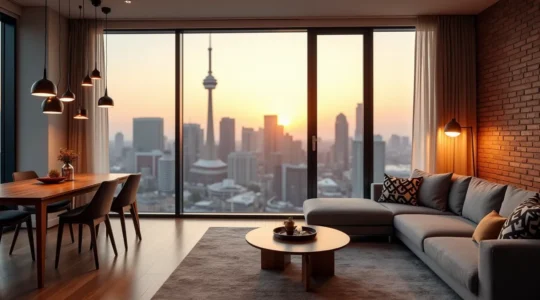
Layered Lighting Demystified: A Designer’s Guide for Multifunctional Toronto Condos
Your single, builder-grade condo light creates a flat, uninviting space. The solution is not just more lamps, but a strategic, layered lighting plan that treats light as an architectural tool. Use different color temperatures (3000K for ambiance, 4000K for tasks)…
Read more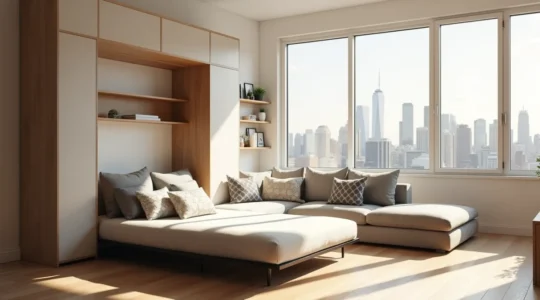
Murphy Bed vs. Sofa Bed: What’s the Smarter Investment for a 400 sq ft Toronto Condo?
In a Toronto micro-condo, the best furniture choice isn’t about which one fits, but which offers the highest “Volumetric ROI” and lowest “Logistical Friction.” A quality Murphy bed system can provide a massive long-term financial return by eliminating the need…
Read more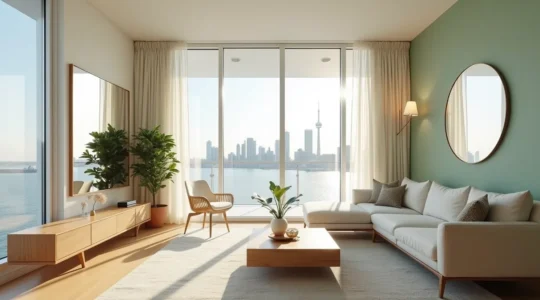
How to Use Color Psychology to Make a Dark Toronto Condo Feel Bigger and Brighter
If your dark, poorly oriented Toronto condo feels more like a cave than a home, the solution isn’t just to paint everything white. The true transformation comes from a deeper, psychological approach. This guide reveals how to layer light, texture,…
Read more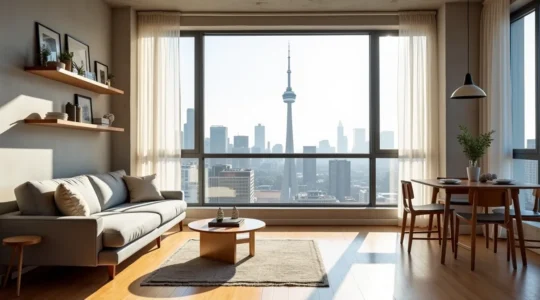
How to Make a 600 Sq. Ft. Toronto Condo Feel Twice as Big: A Designer’s Guide
The feeling of a shrinking Toronto condo isn’t just in your head; the solution is to think like a magician, not just a decorator, by using architectural illusion to reclaim space. Instead of focusing on the floor, exploit your “vertical…
Read more