Renovation & Building Work
Toronto’s diverse housing stock—from century-old Victorian homes in Cabbagetown to post-war bungalows in Etobicoke—presents homeowners with unique renovation opportunities and challenges. Whether you’re updating a heritage property or modernizing a suburban home, understanding the full scope of renovation and building work is essential to protecting your investment and creating a space that truly serves your needs.
Successful renovation projects require more than aesthetic vision. They demand careful planning, regulatory compliance, budget management, and coordination between multiple trades. From structural assessments to final paint selection, each decision impacts not only your home’s appearance but also its long-term value, energy performance, and livability. This comprehensive resource introduces the fundamental aspects of renovation and building work, equipping you with the knowledge to navigate your project confidently.
Planning Your Renovation: Budget, Timeline and Team
Think of renovation planning as building a roadmap before a cross-country journey. Without clear direction, you’ll encounter costly detours and frustrating delays. Proper planning transforms abstract ideas into actionable steps with realistic financial parameters.
Creating a Realistic Budget and Contingency Fund
The most common renovation regret among Toronto homeowners isn’t aesthetic—it’s financial. Underestimating costs creates stress and can leave projects incomplete. A comprehensive budget accounts for materials, labor, permits, design fees, and the often-forgotten contingency fund.
Industry professionals recommend allocating 15-20% of your total budget as contingency. In older Toronto homes, hidden issues like knob-and-tube wiring, outdated plumbing, or structural deterioration frequently emerge once walls are opened. This buffer prevents panic when your contractor discovers that your charming 1920s home has compromised floor joists or insufficient insulation.
- Material costs: Quality variations significantly impact price and longevity
- Labor rates: Skilled trades in the Greater Toronto Area command premium rates
- Permit fees: Municipal charges vary by project scope
- Temporary accommodation: Major renovations may require alternative housing
- Design services: Architects or designers add expertise but increase upfront costs
Selecting the Right General Contractor
Your general contractor orchestrates the entire renovation symphony, coordinating subtrades, managing schedules, and ensuring quality workmanship. Choosing poorly can derail even well-planned projects.
Verify that candidates carry WSIB coverage (Workplace Safety and Insurance Board) and adequate liability insurance—this protects you from financial responsibility if accidents occur on your property. Request references specifically from projects similar in scope to yours, and physically visit completed work when possible. A contractor skilled in kitchen renovations may lack experience with heritage restoration or complex structural modifications.
Obtain detailed written quotes from at least three contractors. The lowest bid often signals cut corners or incomplete scope understanding, while the highest doesn’t guarantee superior results. Evaluate based on communication quality, timeline realism, and alignment with your project priorities.
Sequencing Your Project Phases
Renovation sequencing follows a logical progression: structural before cosmetic, hidden systems before finished surfaces. Attempting to paint before completing electrical work or installing flooring before plumbing creates rework and wasted resources.
- Demolition and structural work (load-bearing walls, foundation repairs)
- Rough-in mechanical systems (electrical, plumbing, HVAC)
- Insulation and vapor barrier installation
- Drywall, taping, and plastering
- Interior finishes (flooring, trim, paint)
- Fixtures and final details (lighting, hardware, appliances)
Navigating Building Permits and Regulations
Toronto’s building permit system exists to ensure safety, structural integrity, and neighborhood consistency. While the paperwork may seem bureaucratic, permits protect you from costly mistakes and future resale complications.
Understanding Toronto’s Permit Requirements
The City of Toronto requires permits for most projects affecting your home’s structure, systems, or footprint. Simple cosmetic updates like painting or replacing kitchen cabinets typically don’t require permits, but structural modifications, additions, electrical work, and plumbing alterations do.
Common permitted work includes basement finishing, second-story additions, deck construction exceeding certain dimensions, window or door enlargements, and HVAC system replacements. The Toronto Building division reviews applications to ensure compliance with the Ontario Building Code, zoning bylaws, and applicable heritage guidelines.
Heritage properties face additional scrutiny. If your home sits within a designated Heritage Conservation District or carries individual heritage designation, you’ll need approval from Toronto’s Heritage Preservation Services before altering exterior features or significant interior elements.
Avoiding Common Permit Delays
Permit approval timelines vary based on project complexity and application completeness. Simple projects may receive approval within weeks, while complex renovations requiring multiple reviews can take several months.
Incomplete applications cause the most significant delays. Ensure your submission includes detailed architectural drawings, structural engineering stamps where required, energy compliance documentation (for additions or significant renovations), and site surveys showing property lines and setbacks. Many homeowners hire licensed designers or architects familiar with Toronto’s requirements to prepare these documents, preventing rejection and resubmission cycles.
Never proceed without required permits. Beyond potential fines, unpermitted work creates serious complications during property sales, insurance claims, and future renovation attempts. Buyers increasingly request permit verification, and banks may withhold financing for properties with undocumented structural modifications.
Structural Integrity and Foundation Work
Your home’s structure is its skeleton—everything else depends on these foundational elements performing correctly. Structural renovations represent significant investments but offer substantial returns through improved safety, expanded living space, and increased property value.
Load-bearing walls support the weight of floors, roofs, and everything above them. Removing or altering these walls without proper engineering creates catastrophic failure risks. In Toronto’s older homes, identifying load-bearing walls isn’t always intuitive. Walls running perpendicular to floor joists typically bear loads, but exceptions exist. Always consult a structural engineer before removing any wall—their assessment and beam specification ensure safe load transfer.
Foundation work addresses settling, cracking, water infiltration, or inadequate support for additions. Toronto’s clay soil expands and contracts with moisture changes, creating movement that stresses foundations over decades. Modern solutions include underpinning to increase foundation depth, crack injection for minor fissures, and exterior waterproofing membranes.
Structural renovations substantially enhance property value, particularly in competitive Toronto neighborhoods. Converting unused attic space into livable square footage, creating open-concept main floors, or adding second-story additions directly impacts resale appeal and marketability. These projects require significant upfront investment but deliver returns through both immediate enjoyment and long-term appreciation.
Maximizing Energy Efficiency Through Insulation
Toronto’s climate extremes—sweltering summers and frigid winters—make thermal performance crucial for comfort and operating costs. Proper insulation creates a thermal envelope that maintains consistent interior temperatures while reducing heating and cooling demands.
Many older Toronto homes suffer from inadequate insulation installed when energy costs were negligible and building standards less rigorous. Upgrading insulation delivers immediate comfort improvements and measurable utility savings. Focus on the thermal envelope—the boundary between conditioned interior space and unconditioned exterior: attics, exterior walls, basements, and crawl spaces.
Insulation effectiveness is measured in R-value—higher numbers indicate greater thermal resistance. Toronto’s climate requires R-50 to R-60 in attics, R-20 to R-30 in exterior walls, and R-20 to R-24 in basements. Achieving these values in existing homes presents challenges, particularly in walls where cavity depth limits options.
Modern insulation materials offer diverse solutions:
- Spray foam: Excellent air sealing and high R-value per inch, ideal for irregular spaces
- Blown cellulose: Cost-effective for attics, good coverage around obstacles
- Rigid foam boards: High R-value for basement interiors and exterior applications
- Mineral wool (Roxul): Fire-resistant, soundproofing benefits, moisture-resistant
Don’t overlook air sealing—gaps and cracks undermine even premium insulation. Air leakage accounts for substantial heat loss in typical homes. Seal penetrations around windows, doors, electrical boxes, plumbing, and where different building materials meet before installing insulation for optimal performance.
Preserving Character in Heritage Homes
Toronto’s heritage homes—whether designated or simply older properties with distinctive character—present a delicate balance between preservation and modernization. These homes embody craftsmanship and architectural details rarely replicated in contemporary construction, yet they often lack modern amenities and efficiency.
Restoration vs. Replacement: Making the Right Choice
Original features like hardwood flooring, ornate plaster moldings, solid wood doors, and period hardware contribute immeasurably to a heritage home’s appeal. The restoration-versus-replacement decision hinges on condition, functionality, and authenticity preservation.
Restoration makes sense when original elements remain structurally sound and repairable. Refinishing original hardwood floors costs less than quality replacements and maintains authenticity. Similarly, restoring original windows through reglazing, weather-stripping, and repair often provides better long-term value than vinyl replacements that compromise architectural character.
Replacement becomes necessary when deterioration threatens structural integrity, safety, or creates impossible maintenance burdens. Severely rotted window frames, failed plaster beyond repair, or obsolete systems require replacement. Choose replacements that respect the original aesthetic—custom millwork matching existing profiles, plaster restoration techniques, or reproduction hardware maintain visual continuity.
Heritage designated properties face regulatory requirements when altering character-defining elements. Work with professionals experienced in heritage renovation who understand both preservation best practices and Toronto’s approval processes. Their expertise prevents costly mistakes and helps navigate the additional documentation required for these special properties.
Exterior Improvements: Curb Appeal and Functionality
Your home’s exterior creates the first impression and influences neighborhood perception, property value, and personal enjoyment. Thoughtful exterior renovations balance aesthetic enhancement with practical considerations like drainage, privacy, and maintenance.
Landscape Design for Privacy and Aesthetics
Toronto’s diverse neighborhoods feature varying lot sizes and proximities. Strategic landscaping enhances privacy without creating fortress-like barriers. Layered plantings using trees, shrubs, and perennials at varying heights soften boundaries while blocking sightlines. Consider mature sizes—that cute shrub may grow into a maintenance nightmare or foundation threat.
Avoid invasive species that escape cultivation and disrupt local ecosystems. Norway maple, dog-strangling vine, and Japanese knotweed spread aggressively, outcompeting native plants and creating control problems. The Toronto and Region Conservation Authority provides lists of invasive species to avoid and native alternatives that support local wildlife while requiring less maintenance.
Drainage Solutions for Toronto’s Climate
Proper drainage protects foundations, prevents basement flooding, and maintains landscape health. Toronto’s heavy rainstorms and spring snowmelt create substantial water management challenges.
Ensure grading slopes away from foundations—aim for a drop of six inches over the first ten feet. Downspouts should discharge at least six feet from the foundation, ideally into drainage systems that carry water completely away from structures. Consider French drains, channel drains, or rain gardens for properties with persistent moisture issues.
Selecting Deck Materials for Longevity
Outdoor living spaces extend your home’s functionality during Toronto’s warm months. Material selection impacts maintenance requirements, longevity, and environmental footprint.
Pressure-treated lumber offers affordability but requires regular maintenance and eventually splinters and warps. Cedar and other naturally rot-resistant woods provide beauty but demand periodic sealing. Composite decking eliminates most maintenance while offering consistent appearance and long warranties, though higher upfront costs and heat retention in direct sun present considerations.
Outdoor Lighting Design
Thoughtful exterior lighting enhances safety, security, and ambiance. Layer different lighting types: path lights for safe navigation, accent lights highlighting architectural or landscape features, and ambient lighting for entertaining areas. LED fixtures reduce energy consumption and maintenance while providing excellent light quality and control options.
Interior Finishes: Paint, Texture and Wall Treatments
Interior finishes transform renovated spaces from construction zones into livable environments. These final touches dramatically impact daily experience and require careful selection and preparation for lasting results.
Understanding VOCs and Indoor Air Quality
Volatile Organic Compounds (VOCs) are chemicals released from paints, stains, and adhesives that affect indoor air quality and occupant health. Traditional paints emit significant VOCs during application and curing, causing headaches, respiratory irritation, and long-term health concerns.
Low-VOC and zero-VOC paints have become industry standards, offering comparable performance without health compromises. These formulations particularly matter in bedrooms, nurseries, and homes with occupants who have chemical sensitivities. Look for products meeting Green Seal or GREENGUARD certification standards.
Surface Preparation: The Foundation of Quality Finishes
Professional painters often spend more time preparing surfaces than applying paint. Proper preparation ensures adhesion, smooth appearance, and durability. Shortcuts here guarantee disappointment regardless of paint quality.
- Clean surfaces thoroughly, removing dust, grease, and contaminants
- Repair holes, cracks, and imperfections with appropriate fillers
- Sand repaired areas and glossy surfaces to create mechanical adhesion
- Prime bare surfaces, stain-blocking when necessary (water damage, knots)
- Protect adjacent surfaces with quality painter’s tape and drop cloths
Choosing the Right Finish and Avoiding Color Regrets
Paint sheen affects both appearance and practicality. Flat finishes hide imperfections but don’t withstand cleaning. Semi-gloss and high-gloss finishes offer durability for trim, kitchens, and bathrooms but highlight surface flaws. Eggshell and satin provide middle-ground solutions for most living spaces.
Color selection causes anxiety because small samples poorly represent whole-room application. Purchase sample pots and paint large poster boards rather than testing directly on walls. View samples in the actual room at different times of day—Toronto’s northern latitude creates unique natural light conditions that dramatically affect color perception. What appears warm and inviting in morning light may feel cold and institutional in evening illumination.
Wallpaper Installation Planning
Wallpaper has resurged as homeowners embrace patterns, textures, and visual interest beyond paint alone. Modern wallpapers offer peel-and-stick options, pre-pasted varieties, and traditional unpasted products requiring separate adhesive.
Success requires meticulous surface preparation—wallpaper telegraphs every imperfection. Measure carefully, accounting for pattern repeats that increase material requirements. Consider professional installation for expensive materials, complex patterns, or challenging spaces like stairwells. Quality installation pays dividends through appearance and longevity, while poor application shows immediately and deteriorates quickly.
Renovation and building work represents a significant undertaking requiring knowledge, planning, and skilled execution across multiple disciplines. By understanding the interconnected nature of structural integrity, regulatory requirements, energy performance, and aesthetic finishes, you position yourself to make informed decisions that enhance your home’s value, comfort, and character. Whether preserving a heritage gem or modernizing a suburban property, approaching renovation systematically with realistic expectations and qualified professionals transforms your vision into lasting reality.
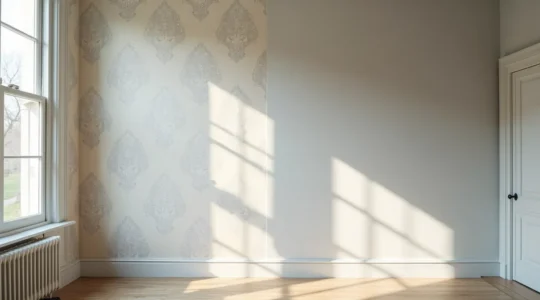
Wallpaper or Paint: Which Coating Should You Choose for Flawed Old Walls?
The best finish for Toronto’s old walls isn’t about just hiding flaws; it’s about strategically choosing a material that respects the wall’s history and withstands city life. High-quality wallpaper offers superior flaw coverage and long-term durability, especially for high-traffic areas…
Read more
The Busy Torontonian’s Guide to a Stunning, Low-Maintenance Native Plant Garden
A truly low-maintenance Toronto garden isn’t about avoiding work; it’s about designing a resilient, self-sustaining ecosystem with native plants that actively solves problems and boosts your property’s value. Solve common Toronto property issues like poor drainage and privacy needs by…
Read more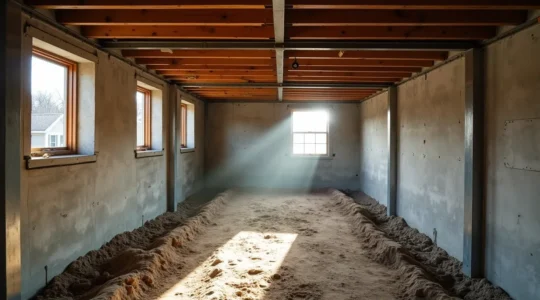
Why underpinning is the most profitable home renovation investment in Toronto
In Toronto’s high-stakes property market, underpinning is not an expense; it is the single most effective strategy for unlocking your home’s hidden structural and financial asset value. It directly addresses foundational risks common in Toronto’s older housing stock, turning a…
Read more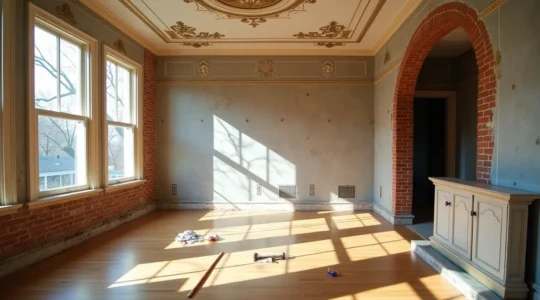
How to modernize a Victorian house in Toronto without destroying its historical soul?
In summary: Successful Victorian renovation in Toronto prioritizes building science—especially moisture management and structural integrity—over fleeting aesthetic trends. Understanding and respecting Toronto’s Heritage Preservation rules, particularly for facades and windows, is non-negotiable to avoid costly project rejections. Focus on “breathing”…
Read more