Neighbourhoods & Cities
Toronto’s neighbourhoods form a living tapestry where cultural heritage meets modern urban development. Each district tells its own story through architecture, community dynamics, and economic evolution. Whether you’re considering a move, planning an investment, or simply exploring the city’s diverse character, understanding what makes each neighbourhood unique becomes essential for making informed decisions.
The city’s urban landscape offers far more than geographic divisions on a map. From the cultural festivals that bring communities together to the street art that transforms industrial zones, from the transit infrastructure that shapes property values to the nightlife districts that define entertainment options, neighbourhoods reveal themselves through multiple layers. This comprehensive look examines the key factors that define Toronto’s neighbourhoods, helping you navigate the complexities of urban living, investment opportunities, and cultural experiences.
Understanding Cultural Diversity in Urban Neighbourhoods
Toronto stands as one of North America’s most multicultural cities, with over half of its residents born outside Canada. This demographic reality transforms neighbourhoods into dynamic cultural hubs where traditions intersect and evolve.
The Social and Economic Impact of Diversity
Cultural diversity creates tangible economic benefits for neighbourhoods. Areas with strong multicultural communities often feature specialized businesses, restaurants, and services that attract visitors from across the city. The Greektown along the Danforth, Little Italy on College Street, and the various Chinatowns demonstrate how cultural concentration drives commercial vitality. These districts experience higher foot traffic, extended business hours, and increased property values as they become destination locations.
Beyond economics, diverse neighbourhoods foster social innovation. When communities from different backgrounds share space, they create opportunities for cross-cultural understanding and collaboration. Local schools benefit from multilingual resources, community centers offer programming that reflects varied traditions, and public spaces host festivals that educate while entertaining.
Navigating Cultural Integration Successfully
Successfully integrating into a culturally diverse neighbourhood requires understanding local social dynamics. Each community develops its own rhythm, from shopping patterns to social gathering norms. Newcomers who invest time in learning about their neighbourhood’s cultural calendar find integration smoother and more rewarding.
Common cultural misunderstandings often stem from different communication styles, concepts of personal space, or approaches to community engagement. For instance, some cultures emphasize indirect communication and collective decision-making, while others value directness and individual initiative. Recognizing these differences prevents miscommunication and builds stronger neighbourhood relationships.
Experiencing Historic Landmarks and Urban Tourism
Toronto’s neighbourhoods preserve layers of history within their streets and structures. The Distillery District exemplifies how industrial heritage transforms into cultural destinations. Once housing the largest distillery in the British Empire, this pedestrian-only neighbourhood now showcases Victorian-era industrial architecture alongside contemporary art galleries, boutique shops, and artisan food vendors.
Seasonal events amplify the appeal of historic districts. The Christmas Market at the Distillery District attracts hundreds of thousands of visitors annually, transforming cobblestone streets into a European-style winter wonderland. Planning visits during such events requires strategy—weekday evenings typically offer smaller crowds than weekends, while arriving early provides better photography opportunities before the main rush.
When exploring historic neighbourhoods, visitors often encounter tourist-oriented restaurants with inflated prices and mediocre quality. Authentic experiences lie just beyond the main thoroughfares, where local residents actually dine. Researching neighbourhood forums and recent reviews helps identify establishments that balance quality with reasonable pricing. The most rewarding visits combine planned landmark visits with spontaneous exploration of side streets where unexpected discoveries await.
Navigating Street Art and Contemporary Urban Culture
The evolution of Toronto’s street art scene reflects broader conversations about urban development, gentrification, and creative expression. Neighbourhoods like Queen West and Graffiti Alley have transformed from edgy, overlooked areas into Instagram-worthy destinations that attract international attention.
Finding and Appreciating Urban Art
Successful street art exploration requires understanding the geography of urban creativity. The most dynamic murals cluster in specific zones:
- Graffiti Alley (Rush Lane) between Spadina and Portland features constantly evolving large-scale works
- The Ossington Strip showcases commissioned murals on commercial buildings
- Junction Triangle’s railway underpasses display bold pieces in industrial settings
- St. Clair West presents community-focused murals celebrating neighbourhood identity
Photography enthusiasts should consider visiting during golden hour—the hour after sunrise or before sunset—when natural light enhances colors and reduces harsh shadows. Many street artists work with specific color palettes that photograph differently throughout the day.
Understanding Gentrification’s Role
The presence of street art often signals neighbourhood transition. What begins as artistic expression in affordable, overlooked areas frequently catalyzes development interest. Property values increase as creative communities establish galleries, cafes, and studios. While this brings investment and improved infrastructure, it also raises concerns about displacement of long-term residents and the loss of authentic neighbourhood character.
Toronto’s Junction neighbourhood illustrates this trajectory. Once an industrial working-class area, the district’s artist studios and murals attracted attention in the early 2000s. Today, it features upscale dining, boutique retail, and significantly higher real estate prices—a pattern repeated across multiple Toronto neighbourhoods.
Evaluating Neighbourhoods for Real Estate Investment
Strategic real estate investment requires analyzing multiple data points that signal neighbourhood trajectory. Savvy investors look beyond current prices to identify areas poised for growth.
Transportation Infrastructure as a Growth Indicator
Transit accessibility consistently correlates with property value appreciation. Neighbourhoods within a 10-minute walk of subway stations command premium prices, while areas slated for future transit expansion offer growth potential. The Eglinton Crosstown LRT, currently under development, has already influenced property values along its route, with neighbourhoods like Mount Dennis experiencing increased developer interest.
Smart investors monitor transit planning announcements and city infrastructure budgets. Properties purchased near planned stations before construction completion often appreciate significantly as service dates approach. However, construction periods can temporarily depress values and rental demand—a factor requiring careful timing consideration.
School Quality and Demographic Trends
Family-oriented buyers prioritize school catchment areas, making educational quality a key value driver. Neighbourhoods zoned for schools with strong academic performance and diverse programming attract premium prices. The Fraser Institute rankings, while controversial, influence buyer perceptions and property demand.
Demographic analysis reveals which neighbourhoods attract growing populations versus those experiencing stagnation. Areas seeing increases in young families typically experience demand for larger homes, parks, and family services. Conversely, neighbourhoods with aging populations may offer opportunities in the senior housing and downsizing markets.
Urban Planning and Zoning Changes
Toronto’s Official Plan guides development patterns across the city. Neighbourhoods designated for intensification—allowing taller buildings and increased density—present different investment opportunities than areas protected as “stable neighbourhoods.” Understanding these designations helps predict future character changes and development potential.
Recent zoning reforms permitting laneway houses, garden suites, and multiplexes in areas previously restricted to single-family homes create new investment possibilities. Properties with large lots in neighborhoods where these changes apply may offer development upside beyond their current use.
Enjoying Nightlife Safely and Affordably
Toronto’s entertainment districts offer diverse experiences, from upscale cocktail lounges to underground music venues. Each neighbourhood’s nightlife reflects its broader character and demographic composition.
The Entertainment District along King Street West concentrates mainstream clubs and large-capacity venues, while Queen West offers more alternative and indie music scenes. Ossington Avenue features craft cocktail bars and intimate live music spaces, whereas the Church-Wellesley Village provides LGBTQ+-focused entertainment. Understanding these distinctions helps match personal preferences with appropriate venues.
Safety considerations vary by location and time. Well-lit main streets with consistent foot traffic generally offer safer environments than isolated side streets. Planning transportation home before going out eliminates impaired decision-making later. Toronto’s night bus network and ride-sharing services provide alternatives to driving, though surge pricing during peak weekend hours can significantly increase costs.
Budget management enhances nightlife enjoyment. Cover charges, minimum drink requirements, and premium pricing can quickly escalate expenses. Many venues offer reduced covers before certain times or on specific weekdays. Researching venue policies and comparing options prevents unwelcome surprises. Some neighbourhoods feature multiple venues in walking distance, allowing strategic movement to take advantage of different specials throughout an evening.
Dress codes reflect venue positioning and neighbourhood character. While casual attire works in most Queen West venues, upscale King West establishments often enforce stricter standards. Checking venue websites or calling ahead prevents door rejection and wasted travel time.
Toronto’s neighbourhoods reward those who invest time in understanding their distinct characteristics. Cultural richness, artistic expression, investment potential, and entertainment options interweave to create the city’s dynamic urban fabric. Whether evaluating a potential home, planning weekend exploration, or considering investment opportunities, recognizing what makes each neighbourhood unique enables more informed and satisfying decisions. The most successful urban experiences come from matching personal priorities—whether cultural immersion, artistic discovery, financial returns, or social entertainment—with neighbourhoods that excel in those specific dimensions.
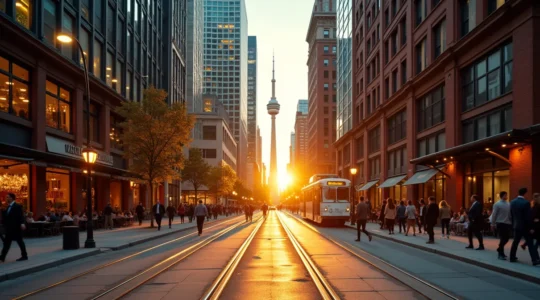
How to enjoy the King West District without falling into the tourist traps?
Successfully navigating King West isn’t about the money you spend; it’s about understanding the unspoken social code that separates locals from tourists. The ‘vibe check’ from a bouncer is more important than your clothes’ price tag; clean, cohesive style always…
Read more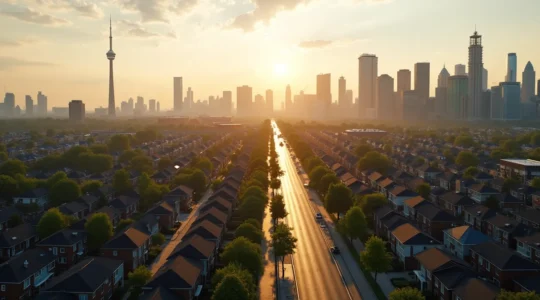
What Are Toronto’s Next “Hot” Neighbourhoods Before Prices Explode?
Forget chasing coffee shops; the real key to finding Toronto’s next hot spot is to act like a ‘development detective’, decoding the city’s own strategic plans for future growth. Massive infrastructure projects like the Eglinton Crosstown are actively engineering new…
Read more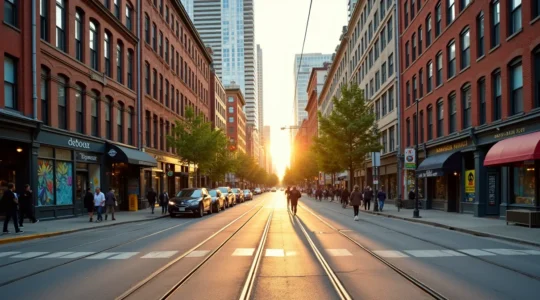
How to Spend a Day in West Queen West Like a True Toronto Insider
Experiencing the real West Queen West means navigating the line between its authentic creative soul and its booming popularity. The art scene is ephemeral; follow artists online to find the freshest murals before they’re gone. True local style is found…
Read more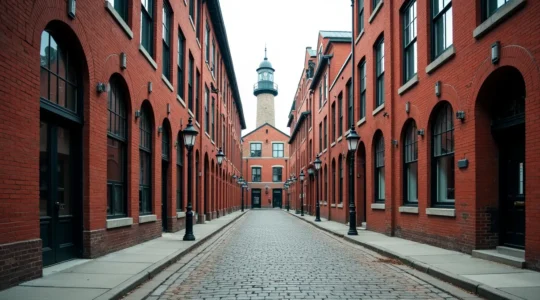
Why the Distillery District is the unmissable destination for design lovers?
The Distillery District is more than a collection of photogenic buildings; it is a masterclass in architectural storytelling and adaptive reuse. Its design reveals a functional industrial past, from the monumental scale of the Stone Distillery to the specific texture…
Read more
Why Is Toronto Considered the World’s Most Multicultural City?
Toronto’s multiculturalism is not a passive collection of cultures, but a dynamic social engine that actively powers the city’s identity and economy. Diversity is a catalyst for business innovation, making the city a prime test market for global products. True…
Read more