
The key to avoiding a last-minute cancellation in Toronto isn’t just checking for a registration number; it’s learning to spot the operational footprint of an illegal commercial rental hiding in plain sight.
- Illegal rentals often betray themselves through inflated fees (like $150+ for cleaning), generic communication, and listings concentrated in high-risk condo towers.
- A legitimate host operates from their “principal residence,” knows their neighbourhood intimately, and offers a level of personalization that commercial operators cannot replicate.
Recommendation: Prioritize listings in residential neighbourhoods and test the host’s local knowledge before booking. For zero-risk stays, especially for a month or more, legal furnished suites are the superior choice.
The excitement of booking a Toronto vacation can quickly turn to dread. You find the perfect apartment, click “reserve,” and start planning your trip, only to receive a dreaded “booking cancelled” notification days before you fly. This nightmare scenario is a genuine risk in Toronto, a city that has implemented strict regulations to curb the rise of “ghost hotels”—commercial enterprises masquerading as personal homes. Many travelers believe the solution is as simple as asking for a city registration number, but illegal operators are often more sophisticated than that.
The common advice to “read reviews” or “pick a Superhost” is insufficient. These markers can be manipulated and don’t guarantee compliance with Toronto’s core requirement: a short-term rental must be the host’s principal residence. This single rule is the foundation of the city’s by-law, designed to preserve housing for residents rather than allowing commercial investors to run multi-unit hotel-like operations in residential buildings.
But what if the key to protecting your trip wasn’t just following a simple checklist, but learning to think like a rental detective? This guide moves beyond the basics. It will teach you how to decode the subtle economic and operational clues that unmask illegal listings. We will not just tell you what to look for; we will explain *why* these clues matter, empowering you to assess the true cancellation risk of any potential rental.
By analyzing everything from cleaning fees and neighbourhood profiles to the host’s knowledge of local grocery stores, you will gain the confidence to distinguish a genuine, law-abiding host from a risky commercial operator. This article provides a clear roadmap to securing a safe, legal, and cancellation-proof stay in Toronto.
Summary: Your Guide to Spotting Illegal Rentals in Toronto
- Why checking for a carbon monoxide detector is crucial in a rental?
- How to negotiate an early check-in without extra fees?
- The mistake of not reading the fine print on $150 cleaning fees
- Annex or Liberty Village: which neighborhood offers the real local life?
- Delivery or supermarket: how to fill the fridge upon arrival?
- How to organize a family vacation in Toronto without breaking the bank on accommodation?
- Zoning and permits: is your basement eligible to become a second suite?
- Why are furnished suites more advantageous than a hotel for 1 month?
Why checking for a carbon monoxide detector is crucial in a rental?
Beyond the risk of cancellation, the first priority is always personal safety. In Ontario, the law is unequivocal about the non-negotiable presence of carbon monoxide (CO) alarms. A legitimate host, being a resident homeowner, is acutely aware of and compliant with these domestic safety laws. An illegal commercial operator, often managing properties remotely and impersonally, is far more likely to overlook these critical safety devices. Therefore, a missing or non-functional CO detector is not just a safety hazard; it’s a major red flag indicating a potentially illegal and negligent operation.
The law isn’t a suggestion; it’s a strict requirement. In fact, 100% of Ontario rental units with fuel-burning appliances must have CO alarms adjacent to sleeping areas. This includes any unit with a gas furnace, fireplace, or hot water heater. For you as a traveler, this means verifying the alarm’s presence is a simple but powerful litmus test. A host who complies with this fundamental safety rule is more likely to comply with the city’s short-term rental regulations.
Upon arrival, performing a quick safety audit should be your first action, even before you unpack. It takes less than five minutes and provides immediate peace of mind or a clear signal to address a serious issue with the host and platform.
- Locate the Detectors: There must be a CO alarm in the hallway directly outside all bedroom areas.
- Press the Test Button: The alarm should sound loudly. A silent or chirping detector is a serious warning sign of a dead battery or an expired unit.
- Check for Certification: Look for a Canadian certification mark (ULC, CSA, or cUL) on the device, ensuring it meets national safety standards.
- Verify Placement: Especially in basement apartments, ensure the detector isn’t in a “dead air space” like a corner where ceiling and wall meet, as this can prevent it from detecting gas effectively.
Ultimately, a host’s commitment to your safety directly reflects their professionalism and the legitimacy of their rental business. An absence in this area suggests a high-risk booking on all fronts.
How to negotiate an early check-in without extra fees?
Your ability to negotiate small conveniences like an early check-in is a powerful indicator of the type of host you’re dealing with. A real homeowner, operating within the legal “Principal Residence” framework, often has the flexibility and willingness to accommodate such requests. They understand the realities of travel—red-eye flights, unpredictable delays—and can often let you drop off your bags or check in a bit earlier if the unit is ready. Their operation is personal, not industrial.
Conversely, an illegal commercial operator running multiple units like a “ghost hotel” has virtually zero flexibility. Their business model relies on maximizing occupancy with rapid, back-to-back turnovers handled by cleaning crews on a tight schedule. For them, a 4 PM check-in and 11 AM check-out are not guidelines; they are rigid operational requirements. Any deviation disrupts their entire system. Your request for an early check-in will likely be met with a standardized, impersonal “no” or an offer to accommodate you for a significant extra fee.
This contrast between a personal host and a commercial operator is often visible before you even book. One represents a genuine welcome, while the other signifies a cold, automated transaction.
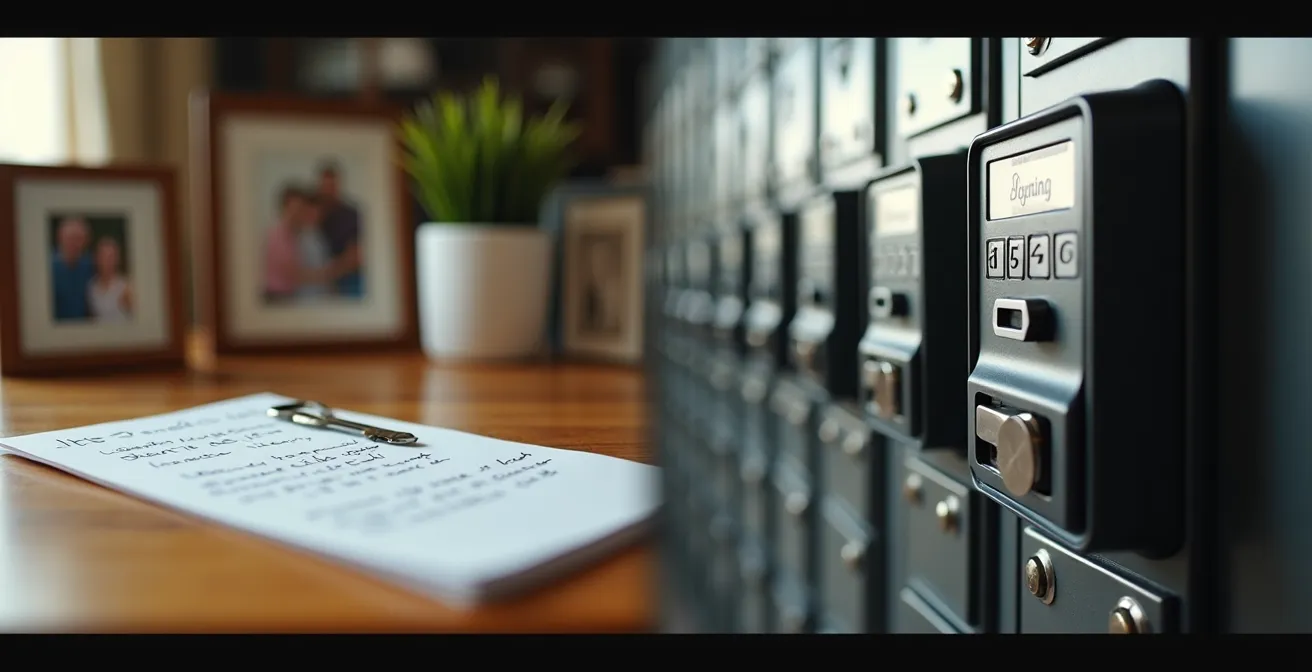
As the image illustrates, there’s a world of difference between a host who leaves a personal note and keys, and a system of anonymous lockboxes. When you message a potential host, pay close attention to their response. A genuine host might say, “Let me check with my cleaners and see what’s possible.” An automated commercial operator will likely send a templated reply stating their policies are firm. This response isn’t just about inflexibility; it’s a window into their operational footprint and a strong clue that you’re not dealing with a legal, principal residence rental.
Therefore, treat your early check-in request as a diagnostic tool. A flexible and accommodating response suggests a legitimate host, while a rigid, fee-based refusal is a red flag for a high-risk, commercial operation.
The mistake of not reading the fine print on $150 cleaning fees
One of the most revealing clues in your detective work is the cleaning fee. A legitimate host, renting out their own home, will typically charge a fee that reflects the actual cost of a local individual cleaning their apartment. For a one-bedroom in Toronto, this is usually in the $70-$95 range. When you see a cleaning fee of $150, $200, or even more, it’s a massive red flag. This isn’t just expensive; it’s a sign of a commercial operation with a completely different cost structure.
These inflated fees are part of the business model of illegal “ghost hotels.” They use commercial cleaning companies that have higher overheads and serve multiple properties, often embedding profit margins directly into the cleaning fee. The fee isn’t about cleaning; it’s about revenue. This discrepancy is a clear marker distinguishing a legal principal residence from an illegal commercial business, as they operate on fundamentally different economic principles.
The scale of this illegal market is significant, which is why enforcement is so strict. Recent data from Toronto enforcement shows 1,438 operators exceeded the city’s 180-night rental limit, demonstrating a widespread network of commercialized units. These are the exact operators you need to avoid.
This table breaks down the differences, helping you spot the red flags in a listing’s fee structure. The contrast is often stark and provides clear evidence of the rental’s true nature.
| Fee Type | Legal Principal Residence | Illegal Commercial Operation | Red Flag Indicator |
|---|---|---|---|
| Cleaning Fee Range | $70-$95 (1-bedroom) | $150-$250+ | 50%+ above market rate |
| Service Provider | Host or local individual | Commercial cleaning company | Multiple properties same fee |
| Fee Transparency | Explained in listing | Hidden until checkout | No breakdown provided |
| Host Profile | Single property | Multiple listings | 3+ active listings |
Before you book, scrutinize the total cost, not just the nightly rate. An unusually high cleaning fee is one of the most reliable signs that you are dealing with a professional, and likely illegal, operator with a high risk of cancellation.
Annex or Liberty Village: which neighborhood offers the real local life?
Your choice of neighborhood is not just a lifestyle decision; it’s a strategic move in avoiding illegal rentals. Toronto’s rental landscape is geographically polarized. Certain areas are hotspots for “ghost hotels,” while others are strongholds of legitimate, owner-occupied homes. Understanding this “risk map” is crucial for any rental detective.
Neighborhoods dominated by dense, high-rise condo towers, such as Liberty Village, CityPlace, and the Entertainment District, are considered high-risk. These buildings are attractive to investors who purchase multiple units solely for short-term rental income—an explicitly illegal practice in Toronto. These listings are often characterized by automated check-ins, generic furniture, and hosts with numerous, nearly identical properties. While convenient to downtown, booking in these areas significantly increases your exposure to a last-minute cancellation when the city or condo board cracks down on the illegal operator.
This aerial view highlights the contrast between the high-density, high-risk condo zones and the lower-density, lower-risk residential areas that are more likely to host legal rentals.
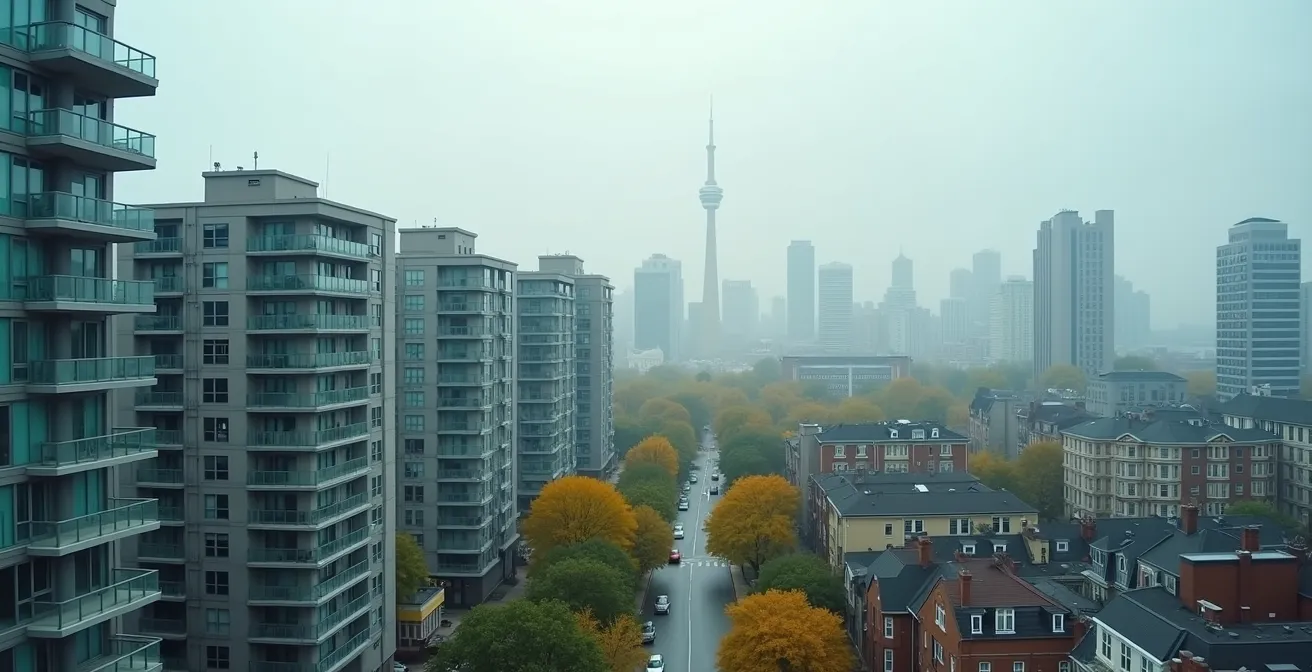
On the other hand, neighborhoods like The Annex, The Beaches, and Roncesvalles offer a much lower risk profile. These areas are characterized by single-family homes, duplexes, and a strong sense of community. Hosts here are far more likely to be actual residents renting out their principal residence or a legal secondary suite within their own home. Choosing a rental in these areas not only provides a more authentic, local experience but also inherently reduces your cancellation risk because the listings are more likely to be compliant from the outset.
- HIGH RISK: Liberty Village, CityPlace, Entertainment District (Dense condos, investor-owned units).
- MODERATE RISK: Queen West (A mix of legal and illegal; requires careful vetting).
- LOW RISK: The Annex, The Beaches, Roncesvalles (Residential houses, owner-occupied duplexes).
By focusing your search on these low-risk, residential areas, you are not just choosing a quieter street; you are actively filtering for legality and significantly lowering your chances of a vacation-ruining cancellation.
Delivery or supermarket: how to fill the fridge upon arrival?
One of the most effective tools in your rental detective kit is the “Local Litmus Test.” This simple technique involves asking the host a specific, neighborhood-related question that only a true resident could answer with ease and authenticity. An excellent example is asking for advice on local grocery shopping. A real host living in their home will have instant, nuanced opinions. An illegal operator managing dozens of properties from a distance will give a vague, unhelpful, or generic response copied from Google Maps.
For instance, if you ask a host in Leslieville, “What’s the best way to get groceries? Should I use Instacart or is there a good local spot?” a real resident might say, “Instacart is great for a big shop from Loblaws, but for a quick trip, the No Frills on Carlaw is your best bet for budget-friendly basics.” This is an authentic, detailed answer. An illegal operator, however, might simply reply, “There are many grocery options nearby,” or point you to a major chain without any local context. This lack of specific knowledge is a huge red flag.
This exact sentiment is echoed by local advocates who fight to preserve housing in Toronto. As one expert on a community forum noted, this is a clear dividing line between the real and the fake.
A true Toronto resident will have an instant, detailed opinion about their preferred grocery store. Fake hosts give vague, unhelpful answers when asked about local shopping.
– Local Airbnb Safety Advocate, Toronto Short-Term Rental Community Forum
Toronto’s grocery landscape is diverse, with services like Instacart partnering with major chains like Loblaws, Metro, and T&T Supermarket for rapid delivery. Meanwhile, budget-friendly stores like No Frills serve specific neighborhoods, and premium services like Grocery Gateway cater to certain postal codes. A real host will know these nuances. Use this to your advantage before you book. Ask a specific question and analyze the quality of the answer. It’s one of the surest ways to verify you’re dealing with a person, not just a profile.
The response you receive will speak volumes about whether the host truly lives in the property and neighborhood, directly correlating to the legality and safety of your booking.
How to organize a family vacation in Toronto without breaking the bank on accommodation?
For families, the stakes are even higher. The prospect of a cancellation isn’t just an inconvenience; it can derail an entire expensive and long-awaited vacation. The temptation to book what seems like a bargain—a large condo or two separate units in the same building—is often a trap. These setups are almost always illegal commercial operations and carry the highest risk of being shut down right before your arrival, leaving you scrambling for last-minute, exorbitant hotel rooms.
The reason for these sudden cancellations is the severe financial penalty for non-compliance. The City of Toronto can levy fines of up to $100,000 per offence for illegal operations. Faced with such crippling fines, many operators will pre-emptively cancel all future bookings the moment they come under investigation, with no regard for the impact on travelers. For a family, relying on such a high-risk option is a gamble you can’t afford to take.
A far safer strategy is to understand the risk spectrum of different accommodation types and choose accordingly. While a legal principal residence rental is a good option, the safest choices for families are fully legal, commercially zoned aparthotels or executive suites. These businesses are 100% compliant with city regulations and have zero cancellation risk related to by-law violations.
This table provides a clear analysis of the risk versus value for different family accommodation strategies in Toronto. It highlights the hidden dangers of seemingly cheaper options.
| Accommodation Type | Cancellation Risk | Legal Status | Family Suitability | Price Range (4 people/night) |
|---|---|---|---|---|
| Illegal Multi-Unit Airbnb | Very High | Illegal | Poor (no guarantee) | $150-250 |
| Two-Condo Strategy | Extreme | Likely Illegal | Very Poor | $200-400 |
| Legal Principal Residence | Low | Legal with registration | Good | $200-350 |
| DelSuites Aparthotel | Zero | Fully Legal | Excellent | $300-450 |
| Toronto Executive Suites | Zero | Fully Legal | Excellent | $350-500 |
While the nightly rate for a legal executive suite might appear higher at first glance, the total value—including peace of mind and guaranteed accommodation—makes it the most prudent and often most cost-effective choice for a family trip to Toronto.
Zoning and permits: is your basement eligible to become a second suite?
Basement apartments are a common feature in many of Toronto’s residential neighborhoods and can be fantastic, legal rental options. However, they are also subject to strict safety and zoning codes to be considered a legal “second suite.” As a rental detective, you need to know the basic signs that distinguish a legal, safe basement unit from a hazardous, non-compliant one. A host listing an illegal basement is not only breaking the law but also putting guests at serious risk.
The most critical requirements relate to fire safety and means of egress. A legal basement suite must have a separate, obvious entrance, adequate ceiling height (not a crawlspace with exposed pipes at head level), and large egress windows in every bedroom that are big enough for an adult to escape through in an emergency. The absence of these features is a non-negotiable deal-breaker. Furthermore, the unit must have proper fire separation from the main dwelling, typically verified by specific types of drywall and fire-rated doors.
A diligent host with a legal suite will often proudly display their city registration number in the listing, as it’s a mark of compliance. If you’re considering a basement unit, applying a systematic audit to the listing’s photos and description is essential before you even think about booking.
Your Action Plan: Auditing a Potential Basement Suite
- Points of contact: Look for two key signals in the listing—the official City of Toronto registration number and photos clearly showing a separate, dedicated entrance from the outside.
- Collect evidence: Inventory the photos for non-negotiable safety features. Specifically, look for large egress windows in bedrooms, normal ceiling height without low-hanging pipes, and solid-looking doors indicating fire separation.
- Check for coherence: Does the host’s claim of a “legal suite” align with the visual evidence? A listing that feels too polished and lacks any personal touch might contradict the “principal residence” rule, even if the suite itself looks good.
- Assess memorability/emotion: Is the space unique and lived-in, or is it a generic “IKEA box” identical to other listings? A genuine, owner-occupied home with a legal secondary suite often has more character.
- Plan for integration: If the unit passes your audit with flying colours (clear registration, separate entrance, large windows), add it to your shortlist. If it fails on key safety points, discard it immediately.
By taking a few minutes to vet these structural and safety elements, you can confidently filter for legal basement suites and avoid booking a dangerous and non-compliant property.
Key Takeaways
- The “Principal Residence” rule is the core of Toronto’s law; any host with multiple listings is likely illegal.
- Financial clues are your best friend: cleaning fees over $100 are a major red flag for a commercial “ghost hotel” operation.
- For zero cancellation risk, especially for family or month-long stays, professionally managed and fully legal furnished suites are the superior choice.
Why are furnished suites more advantageous than a hotel for 1 month?
After navigating the minefield of potential illegal listings, the question remains: what is the truly safest and most advantageous option, especially for longer stays of a month or more? While a hotel offers legality, it lacks the space, kitchen, and residential feel many travelers desire. This is where legal, furnished executive suites emerge as the clear winner, offering the best of all worlds: the space and comfort of an apartment with the legal security of a hotel.
Unlike even a 30-day Airbnb booking—which can still be illegal if the host is not living in their principal residence—reputable corporate housing providers are fully compliant with all municipal zoning and commercial licensing laws. Their operations are pre-approved by condo boards and the city, which means your cancellation risk due to by-law violations is absolutely zero. This is the ultimate peace of mind for any traveler, particularly those relocating, on extended business, or enjoying a long family vacation.
These providers offer a level of service and security that no Airbnb host can match. This typically includes 24/7 on-site support or concierge services, professional cleaning standards, and fixed monthly rates that are not subject to the wild “surge pricing” seen on booking platforms. Furthermore, they carry comprehensive commercial insurance, protecting both the property and the guest.
Case Study: The Zero-Risk Alternative
Leading Toronto corporate housing providers such as DelSuites, Toronto Luxury Suites, and Mary-am Suites operate as fully legal, commercial entities. As detailed by legal experts monitoring Toronto’s regulations, these companies are not bound by the “principal residence” rule that governs individual Airbnb hosts. They own or commercially manage their inventory with the proper licenses, which, according to the City of Toronto’s own framework, completely eliminates the cancellation risk that plagues even long-term Airbnb stays when hosts violate residency rules.
For any traveler feeling wary about Toronto’s complex rental market, the answer is clear. Choosing a verified, legal furnished suite is not a compromise; it’s the smartest, most secure way to enjoy your time in the city without the looming threat of a cancelled booking.